


Aseptic filling
In modern medical production, where sterility and precision are critical factors, aseptic filling represents a key technology. It ensures the safety of products that cannot be subjected to terminal sterilization in their final packaging. This process demands adherence to the strictest standards and the use of specialized, high-quality equipment.
What is Aseptic Filling
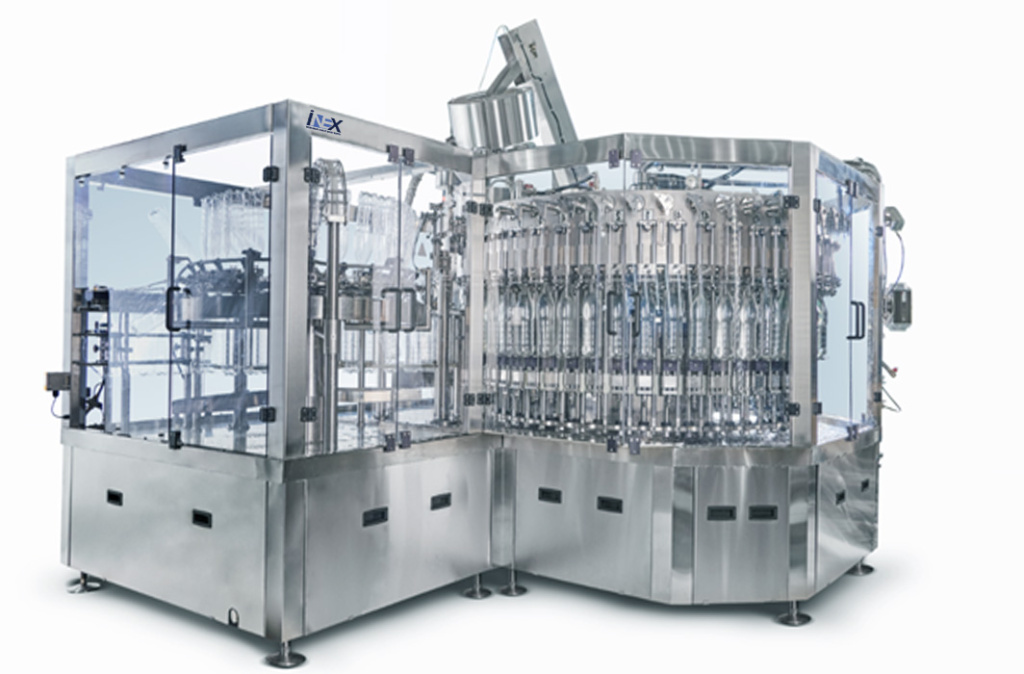
Aseptic filling is applied in the production of sterile medical products that cannot be sterilized at the final stage. According to GOST R ISO 13408-1–2000 "Aseptic Processing of Health Care Products," equipment for aseptic filling or the aseptic packaging of powders must meet rigorous requirements to guarantee the total absence of microbiological contamination.
When Aseptic Production is Required
There are two primary scenarios necessitating the use of aseptic manufacturing:
-
Aseptic preparation of solutions followed by filling.
-
Aseptic preparation, transfer, and packaging of solid products that are not subject to terminal sterilization.
Key Principles of Aseptic Production
Aseptic manufacturing is based on the preliminary sterilization of all components and parts that come into contact with the product. The entire process is carried out in a strictly controlled environment where the level of particulate and microbial contamination must not exceed established limits. Human intervention is minimized to eliminate the risk of contamination.
Advantages of Specialized Aseptic Filling Equipment
-
Guaranteed Sterility: Modern equipment maintains aseptic conditions throughout all production stages, minimizing the risk of product contamination.
-
High Dosing Precision: Automated filling systems guarantee exact dosage compliance, which is particularly vital for potent medicinal preparations.
-
Application Versatility: Specialized equipment can be utilized for both liquid forms and powdered substances, ensuring high sterility in both cases.
-
Compliance with International Standards: Professional equipment is developed in accordance with GMP (Good Manufacturing Practice) and other global regulatory norms.
Requirements for Organizing Aseptic Production
Aseptic production requires exceptional care and high responsibility from all participants. To ensure proper quality, the following are necessary:
-
Validated production systems.
-
Personnel with appropriate training and qualifications.
-
A strictly controlled production environment.
-
Comprehensive documentation of all technological processes.
Components of an Aseptic Filling System
-
Isolator Technologies: Modern isolators and Restricted Access Barrier Systems (RABS) provide physical separation between personnel and the product.
-
Monitoring Systems: Continuous control of environmental parameters (particles, microorganisms, pressure, temperature, and humidity) allows for the timely detection of any deviations.
-
Automation Systems: Minimizing the human factor through the automation of critical processes increases quality stability and reduces contamination risks.
Areas of Application
Aseptic filling is widely used in various sectors of medical production:
-
Manufacture of injectable drugs.
-
Production of ophthalmic (eye) solutions.
-
Filling of lyophilized powders for injection.
-
Production of vaccines and biological products.
-
Manufacturing of diagnostic reagents.
Specialized equipment for aseptic filling is an indispensable element of modern medical manufacturing. Investing in high-quality aseptic systems guarantees stable product quality and compliance with strict regulatory requirements, which ultimately protects patient health and builds trust in the manufacturer.