


Capacitive equipment


Catalog of capacitive equipment
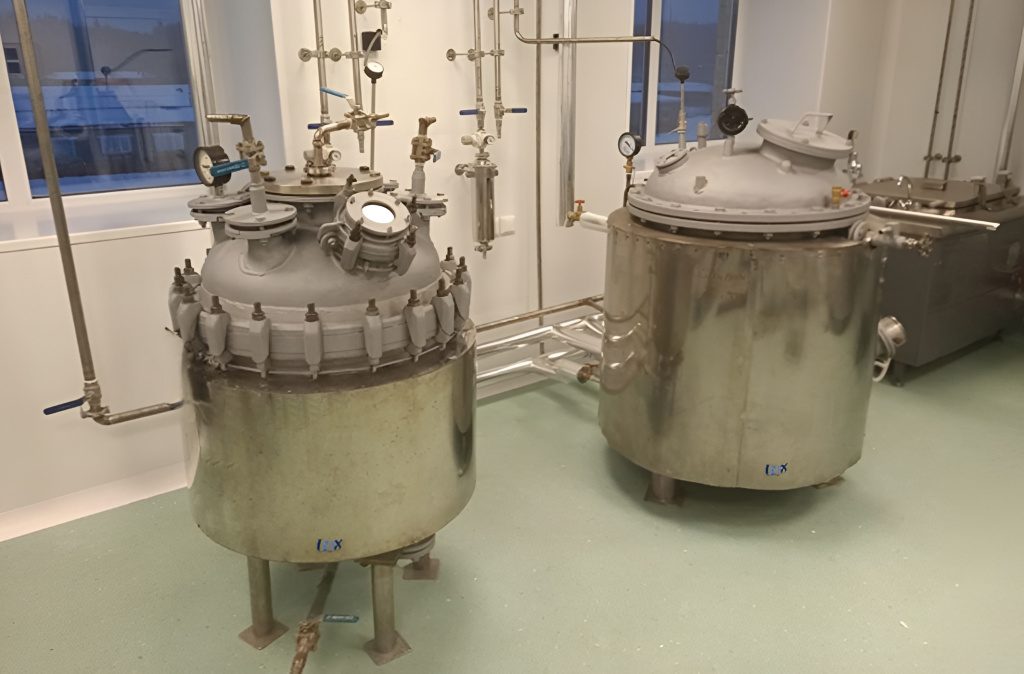
Vessel equipment consists of technical systems designed for the storage, transportation, and mixing of liquid and gaseous media, as well as for conducting biotechnological processes and chemical reactions under controlled environments. These units are essential in pharmaceutical, food, chemical, and biotechnological industries where high standards of purity and sanitary safety are mandatory.
INEX develops custom vessel designs based on individual technical assignments, accounting for operating pressure, temperature regimes, the physicochemical properties of the processed media, and regulatory requirements for industrial safety and sanitary-epidemiological control.
Design Characteristics
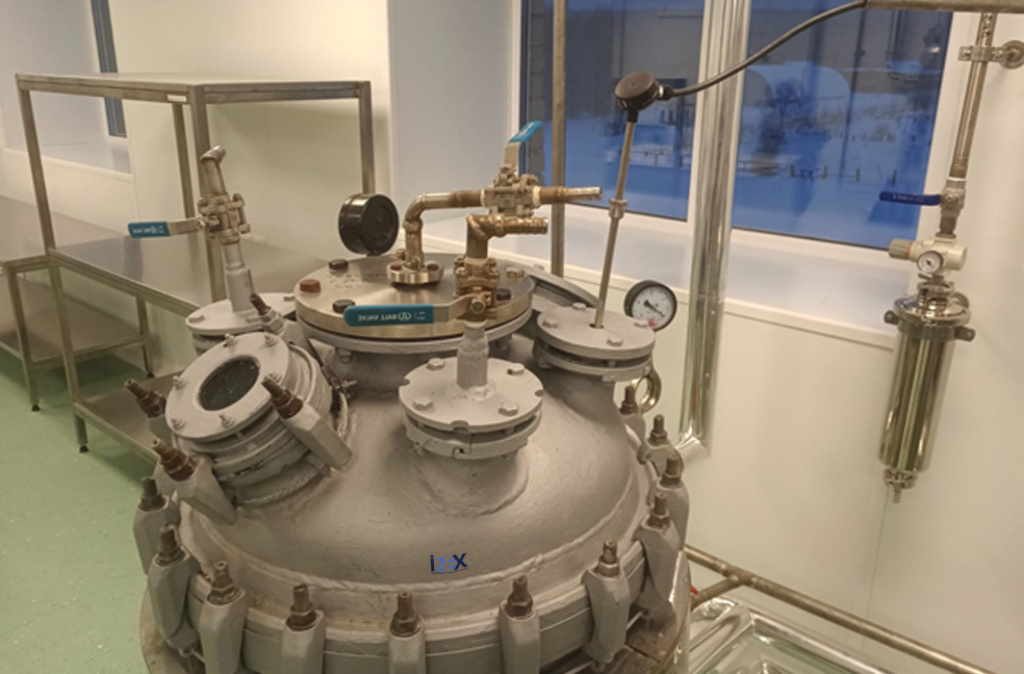
The bodies of the units are manufactured from AISI 316L and AISI 304 stainless steel, with internal surfaces polished to a roughness of Ra ≤ 0.8 μm. The design supports operation under overpressure up to 1.6 MPa and vacuum conditions, providing precise temperature control through heat-exchange jackets.
Technological equipment includes various types of mixing devices, dosing systems, and sparging or aeration units. All connections utilize the tri-clamp standard, ensuring hermetic sealing and rapid disassembly for maintenance.
Cleaning and sterilization systems (CIP - Cleaning in Place and SIP - Sterilization in Place) are integrated into the design, allowing for sanitation without dismantling the equipment. Monitoring of technological parameters is conducted via pH, temperature, level, pressure, and dissolved oxygen sensors, with data transmitted to SCADA systems in compliance with industrial communication protocols.
Types and Applications
-
Pharmaceutical Fermenters: Designed for the microbiological synthesis of active pharmaceutical ingredients (APIs). Units are equipped with sparging systems for sterile air supply, heat jackets for temperature maintenance, and mechanical agitators for media homogeneity. Gas regimes are managed through air, nitrogen, and CO2 supply lines featuring sterilizing filters.
-
Stainless Steel Bioreactors: Used for cultivating cell cultures and microorganisms. The design often features magnetic stirrers to minimize contamination risks and supports both vacuum and overpressure operations. The automated control system documents all operations for validation purposes.
-
Mixers and Homogenizers: Employed for blending liquid and viscous components. Blade or turbine-type agitators provide uniform distribution with adjustable rotation speeds. Emulsion homogenization is achieved using high-speed dispersers with frequency control.
-
Chemical Reactors: Designed for chemical synthesis with precise temperature control ranging from –20°C to +200°C. Reagent dosing systems ensure supply in specified proportions, while condenser-coolers prevent the loss of volatile components. Explosion-proof configurations are available according to technical regulations.
-
Measuring Tanks and Storage Reservoirs: Used for receiving, quantitative accounting, and distribution of liquids within process lines. Available in vertical or horizontal configurations with integrated level measurement systems for precise volume control.
Areas of Application
This equipment is utilized in the production of APIs for various pharmacological groups. Biotechnological cultivation and fermentation processes are implemented using these units for the manufacture of vaccines, antibiotics, enzyme preparations, and probiotics.
In the food and dairy industries, the equipment is used for producing fermented dairy products, starter cultures, and functional ingredients. The cosmetics industry utilizes these vessels for preparing emulsions, creams, and lotions. Additionally, specialized vessels with leak control systems are used for the storage of hazardous, volatile, or pathogenic substances.
Regulatory Compliance
The design and manufacturing of the equipment adhere to the following standards:
-
GOST 20680–2012: General technical conditions for steel welded vessels and apparatus.
-
GOST R 52249–2009 (GMP): Rules for the production and quality control of medicinal products.
-
SP 158.13330.2014: Design rules for medical organization buildings and premises.
-
SanPiN 1.2.3685-21: Hygiene standards and safety requirements.
-
ISO 14644: Cleanroom classification (ensuring compliance for Classes B and C).
-
GMP Annex 1 & 21 CFR Part 11: Requirements for electronic data registration and process validation to ensure data integrity.