


Thermostats, CO2 incubators, incubators
Thermostats and incubators are essential laboratory and production instruments designed to create stable climatic conditions, including precise temperature, gas concentration (CO₂, O₂), and humidity levels. These parameters are critically important for the cultivation of cell cultures, storage of biological samples, embryos, and microbiological strains, as well as for performing biochemical analyses and pharmaceutical research.
This equipment is widely utilized in pharmaceutical and biotechnological manufacturing, quality control laboratories, research institutes, and medical or veterinary facilities.
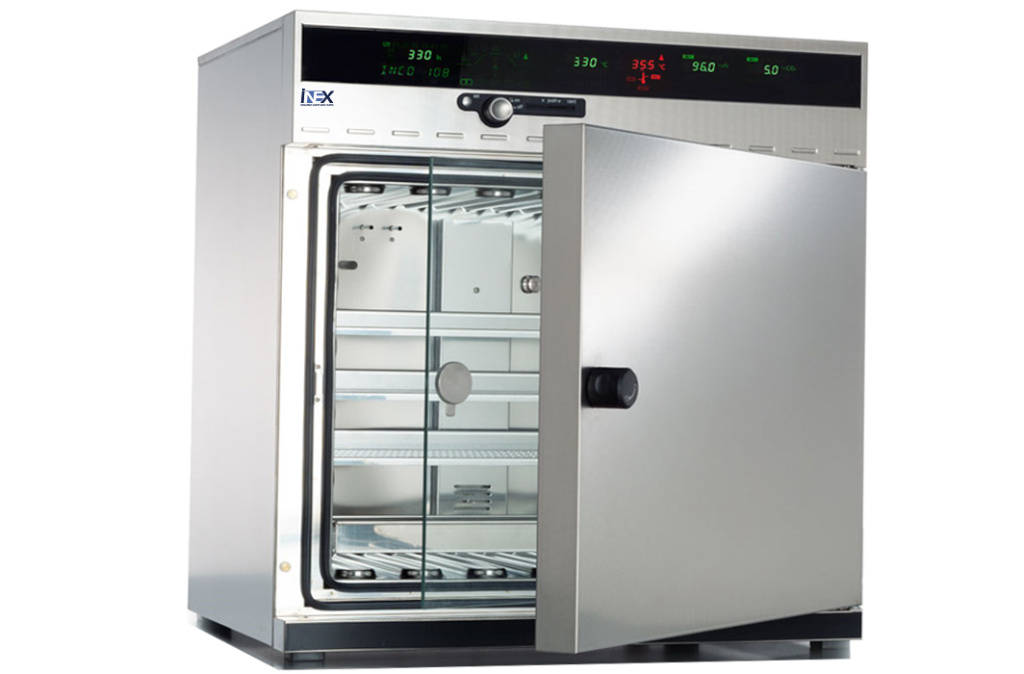
Design and Operating Modes
Modern incubators and thermostats feature advanced technical specifications to ensure process repeatability:
-
Temperature Range: From +5 °C above ambient up to +60…+80 °C, with a maintenance accuracy of ±0.1–0.5 °C.
-
Chamber Construction: Internal chambers made of AISI 304 or 316L stainless steel with hermetic seals and high corrosion resistance.
-
Microprocessor Control: Programmable multi-step temperature and gas regimes.
-
Gas Control: High-precision infrared (IR) or thermal conductivity sensors for CO₂ monitoring (accuracy ±0.1%).
-
Decontamination: Integrated UV air disinfection or specialized high-heat sterilization cycles.
-
Connectivity: Support for SCADA/PLC interfaces, remote monitoring, and comprehensive data logging.
-
Uniformity: Thermally insulated double-glazed doors and circulation fans ensure even temperature distribution throughout the chamber.
Types of Incubators and Thermostats
-
CO₂ Incubators: Maintain a constant CO₂ level (typically 5%), a temperature of +37 °C, and humidity up to 95%. Essential for cultivating cells and tissues under physiological conditions.
-
Laboratory Thermostats: Designed for sample incubation without a controlled gas environment. Used extensively in microbiology, biochemistry, and sanitary laboratory practices.
-
Universal Incubators: General-purpose units for storing cultures, nutrient media, and reagents at set temperatures.
-
Refrigerated Incubators: Capable of operating at low temperatures (from +4 °C), used for the storage of thermolabile materials and BOD testing.
-
Specialized High-Containment Models: Feature integrated HEPA filters, antimicrobial copper-enriched coatings, and UV sterilization for environments with maximum sterility requirements.
Areas of Application
The functional range of these units covers the most sensitive stages of biological research:
-
Cell Engineering: Cultivation of cell lines for biopharmaceutical products and vaccines.
-
Clinical Microbiology: Growing microorganisms for diagnostics and food safety testing.
-
Stability Testing: Long-term storage of reagents, vaccines, and pharmaceutical samples.
-
Genetics and Biochemistry: Conducting antimicrobial sensitivity tests and enzyme research.
-
Veterinary Diagnostics: Laboratory procedures for animal health monitoring.
Regulatory Compliance
INEX equipment is developed and manufactured in strict accordance with the following standards:
-
ISO 14644-1: Air cleanliness classification for equipment used in aseptic cultivation.
-
GOST 12.2.025–76: Electrical safety standards for medical and laboratory equipment.
-
GOST ISO 15189–2022: Requirements for quality and competence in medical laboratories regarding calibration and sample storage.
-
SanPiN 1.2.3685–21: Hygiene and microbiological safety requirements for laboratory environments.
-
GMP Annex 1: Guidelines for sterile medicinal product manufacturing and environmental validation.
-
FDA 21 CFR Part 11: Standards for electronic records and signatures, critical for data integrity in automated incubators.