


Insulators


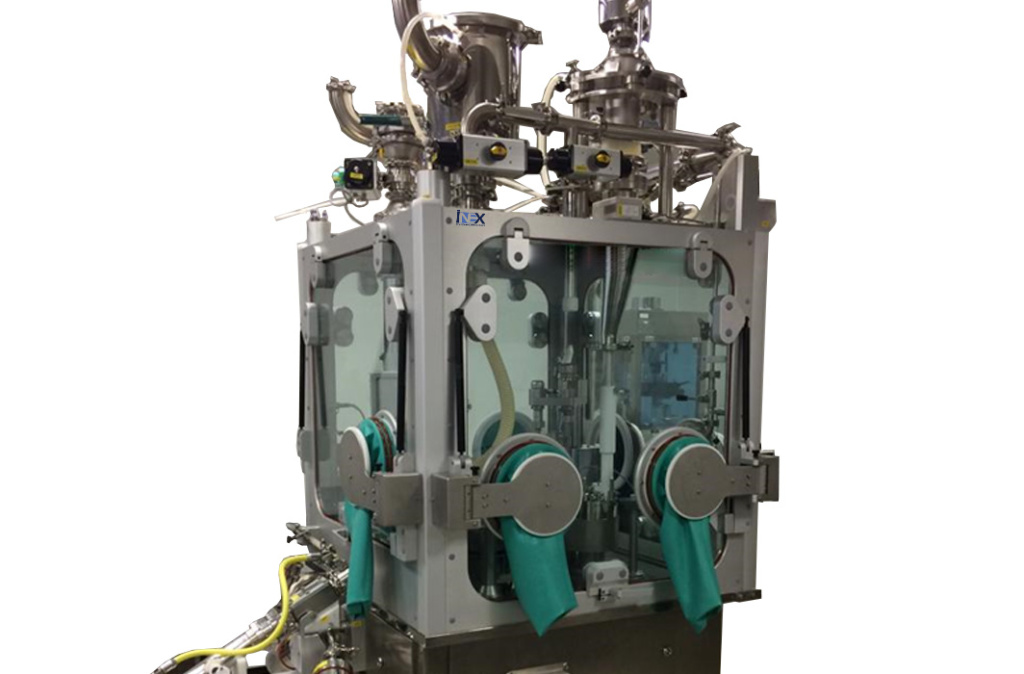
In modern medical production, where requirements for purity and safety reach maximum values, isolating devices play a critical role. These high-tech systems create a controlled environment that protects both the product from contamination and the personnel from potentially hazardous substances.
Regulatory Framework and Classification
Isolators must comply with the requirements of GOST R ISO 14644-7—2007 (identical to ISO 14644-7), titled "Cleanrooms and associated controlled environments. Part 7: Separative devices (clean air hoods, gloveboxes, isolators and mini-environments)." This standard establishes comprehensive requirements for various types of separative devices, ensuring a unified approach to their design, production, and operation.
The term "separative devices," as defined by technical committee ISO/TC 209, encompasses a wide group of systems—ranging from open designs that do not restrict airflow to fully closed systems. The specific meaning of terms like "clean air hoods" or "isolators" varies depending on the specific field of application.
Prerequisites for Implementing Separative Devices
The necessity for isolating devices arises from specific product characteristics or material handling requirements, including:
-
Sensitivity of products to particles, chemicals, gases, or microorganisms.
-
Sensitivity of the operator to hazardous working materials or by-products.
-
Situations where both the product and the operator require simultaneous protection.
Operational Principles and Protective Mechanisms
Isolating devices provide reliable protection by creating physical barriers, dynamic barriers, or a combination of both, ensuring effective separation between the process and the operator. Some manufacturing processes may require specialized environmental conditions to prevent hazardous situations or explosions.
Advanced systems can provide 100% recirculation in a closed-loop atmosphere, allowing for operation in inert gas environments or for performing disinfection using gaseous agents, such as vaporized hydrogen peroxide (VHP).
Main Types of Separative Devices
-
Clean Air Hoods: Open or partially closed structures that provide a local zone of clean air to protect the product from environmental contamination.
-
Glove Boxes: Closed systems with integrated gloves that allow an operator to manipulate materials inside while maintaining a complete separation between the internal and external environments.
-
Isolators: Fully closed systems providing the highest level of protection for both product and personnel, featuring strictly controlled internal parameters.
-
Mini-environments: Localized zones with controlled parameters, often used to protect critical points within an automated production process.
Design and Operation Features
A defining characteristic of isolating devices is that personnel remain outside the device during the production process. Interaction with the product occurs through specialized access systems:
-
Manual access: Using protective barrier technology such as gloves or half-suits.
-
Automated systems: Utilizing robotics to minimize the need for manual intervention.
These devices can be mobile or stationary and are often used as transfer devices to ensure continuous product protection while moving between different technological stages.
Advantages of Modern Isolating Systems
-
Enhanced Product Protection: Isolators provide a degree of protection against contamination that significantly exceeds the capabilities of traditional cleanrooms.
-
Personnel Safety: Reliable isolation of potentially hazardous substances (such as cytotoxic drugs or pathogens) ensures the safety of operators.
-
Economic Efficiency: While initial costs are high, isolators significantly reduce the expenses associated with maintaining large, high-class cleanrooms.
-
Application Flexibility: A variety of configurations allows for optimal solutions tailored to specific production tasks.
Areas of Application
Isolating devices are widely used across the medical and pharmaceutical industries:
-
Aseptic production of sterile dosage forms.
-
Handling of Highly Potent Active Pharmaceutical Ingredients (HPAPIs).
-
Manufacture of cytotoxic and radiopharmaceutical drugs.
-
Filling and packaging of sterile products.
-
Microbiological and virological research.
-
Sterility testing processes.
Validation and Control
To confirm compliance, a comprehensive validation process is conducted, including:
-
Integrity testing of physical barriers (leak tests).
-
Verification of airflow barrier efficiency.
-
Testing of disinfection and sterilization systems (e.g., VHP cycles).
-
Monitoring of microclimate parameters and filtration systems.
Regular monitoring and periodic revalidation ensure that the isolator maintains its design characteristics throughout its entire service life, ultimately safeguarding patient health by ensuring the highest standards of product quality.