


Angro packing equipment
Bulk (angro) filling is the process of packaging products into large batches for subsequent subdivision into retail containers. This equipment is integrated into production chains following the drying, granulation, or mixing stages, providing metered delivery of material into transport containers such as bags, drums, jars, and hoppers. The primary objects of bulk filling include powders, granulated materials, active substances, and semi-finished products.
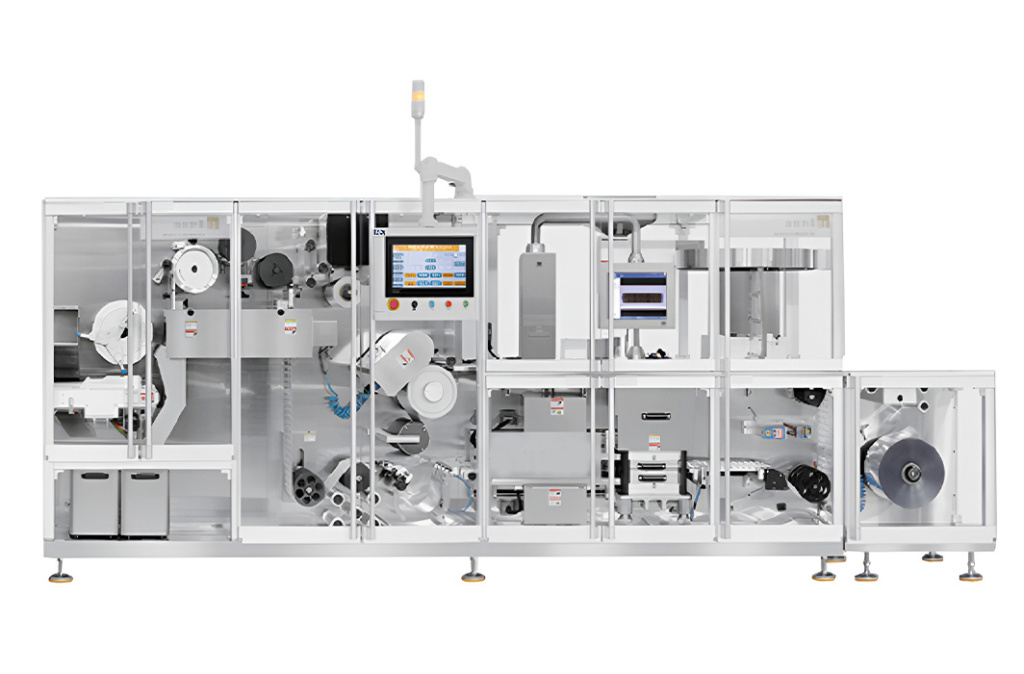
Filling units often function as components of automated technological lines, ensuring the continuity of the production process.
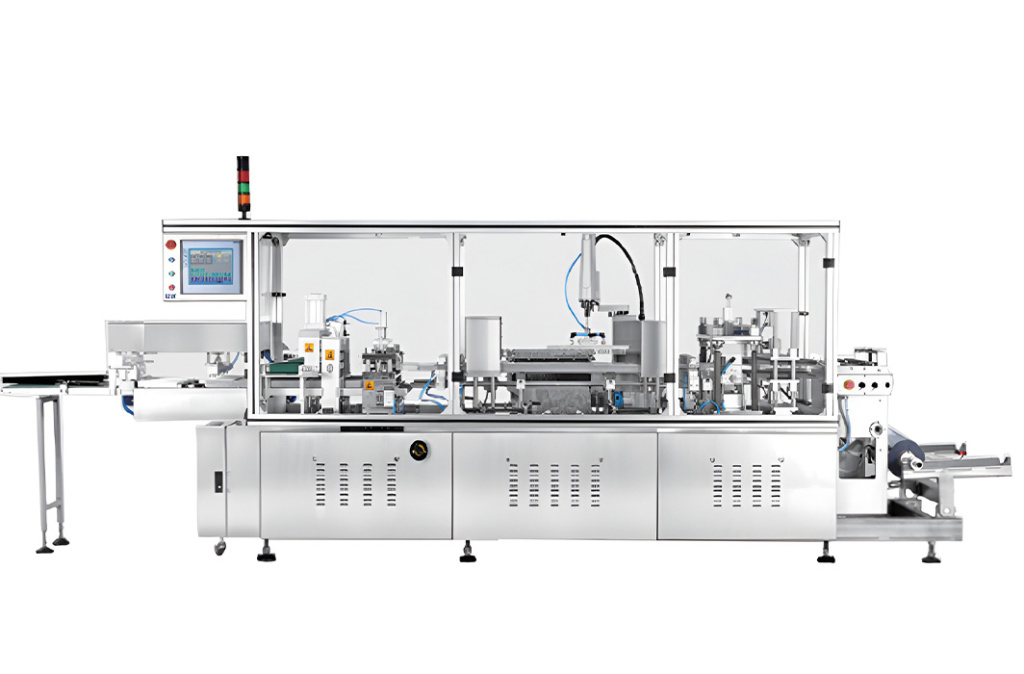
Design and Functional Features
Bulk filling equipment for handling loose materials is typically manufactured from AISI 316L or AISI 304 stainless steel, ensuring compliance with sanitary norms and chemical resistance. Standard design features include:
-
Dust Control: Connection to centralized aspiration systems or local exhaust units to manage dust generation.
-
Positioning Systems: Integrated vibrating tables and lifting platforms for optimal container positioning.
-
Secure Fastening: Pneumatic clamps and fixators for reliable packaging attachment.
-
Precision Weighing: Dosing systems with a measurement accuracy of ±1–2% of the nominal value.
-
Contamination Protection: Exhaust hoods and laminar modules to prevent cross-contamination.
-
Maintenance: Capability for CIP/SIP cleaning and rapid disassembly of technological nodes.
-
Smart Control: Automatic management of loading, dosing, and weighing with SCADA/PLC integration for batch accounting.
Types of Filling Equipment
-
Semi-Automatic Units: Designed for filling powders and granulates into bags or big-bags. These are operator-managed, with only the dosing process being automated.
-
Automatic Modules: Equipped with multi-component dosers, vibration systems, and exhaust circuits for a full automatic filling cycle.
-
Filling Stations: Integrated into production lines for substances and semi-finished products, synchronized with upstream and downstream equipment.
-
Aseptic Filling Systems: Feature laminar filters, isolators, or barrier systems for operation in GMP Classes A/B/C.
-
Explosion-Proof (Ex) Models: Designed for flammable or dust-prone products, complying with ATEX (2014/34/EU) directives and national safety codes.
Areas of Application
The equipment is utilized in the following technological zones:
-
Pharmaceuticals: Filling of active pharmaceutical substances (APIs), including highly potent or toxic components.
-
Excipients: Packaging of auxiliary and intermediate products.
-
Food Industry: Packaging of milk powder, glucose, vitamins, and spices.
-
Chemical Industry: Filling of pigments, reagents, and chemical blends.
-
Biotechnology: Handling of lyophilizates, probiotics, and enzyme preparations.
Regulatory Compliance
Bulk filling equipment is designed and operated according to mandatory regulatory documents:
-
GOST 12.2.124–2013: Safety requirements for food and pharmaceutical processing equipment.
-
ISO 14644-1: Air cleanliness classification for cleanrooms (essential for aseptic filling design).
-
GMP Annex 1: Requirements for sterile manufacturing, regulating air purity and contamination control in filling zones.
-
FDA 21 CFR Part 11: Requirements for electronic records and signatures in a GxP environment.