


Water treatment

In modern medicine and pharmaceuticals, the quality of the water used plays a key role in ensuring the safety and effectiveness of all processes. A properly organized water treatment system is a fundamental element that guarantees the compliance of water with the strictest regulatory requirements and technical standards.
The Importance of Water Treatment Systems
When developing water treatment systems, it is essential to have a clear understanding of the quality of the water that will be used in the technological process or laboratory research. Water used in the medical and pharmaceutical industries must meet strict purity parameters, excluding the presence of any contaminants capable of affecting the quality of the final product or research results.
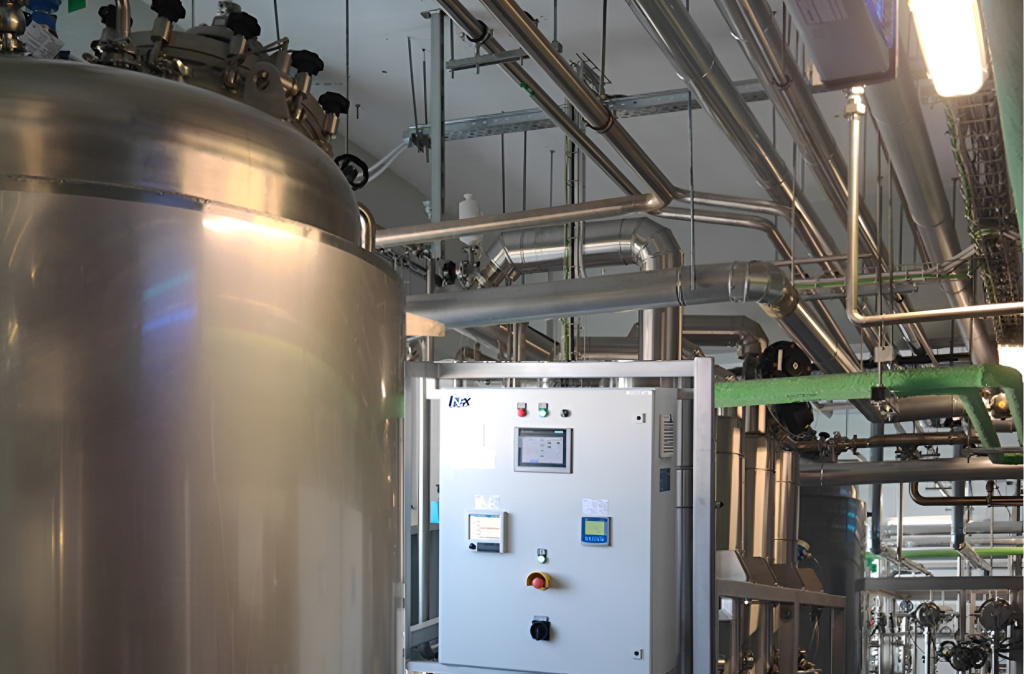
Regulatory Requirements for Water Quality
The selection and design of water treatment systems are regulated by extensive normative and technical documentation, which defines the requirements for various types of water depending on the scope of application:
Pharmaceutical Production The foundational document is GOST R 71172-2023 "Water Treatment Systems for Pharmaceutical Use. Requirements for Obtaining, Storing, and Distributing Purified Water and Water for Injection," which establishes detailed parameters for water treatment systems in the pharmaceutical industry. The State Pharmacopoeia of the Russian Federation (XIV edition) also contains pharmacopoeial monographs defining quality requirements, such as FS.2.2.0019 "Water for Injection" and FS.2.2.0020 "Purified Water." Additionally, the European Pharmacopoeia (9th edition) includes similar monographs like FS 0008 and FS 0169.
Medical Application For specific medical applications, separate standards exist, such as GOST R 52556-2006 "Water for Hemodialysis. Technical Specifications" and FS.2.2.0022.18 "Water for Hemodialysis."
Laboratory Use Standards for laboratory settings include GOST R 52501-2005 "Water for Laboratory Use" and GOST R 58144-2018 "Distilled Water. Technical Specifications."
Technical Equipment and Industrial Application GOST R 58810–2020 defines standards for mechanical filters and equipment performance inside buildings. For the electronic industry, requirements are set by GOST R 71994-2025 and OST 11.029.003 regarding deionized water.
Key Technologies in Modern Water Treatment Systems
-
Pre-filtration: Multi-stage mechanical filtration systems remove suspended particles of various sizes, providing basic purification and protecting subsequent system elements from premature wear.
-
Water Softening: Ion-exchange technologies allow for the removal of excess hardness salts, preventing scale formation in equipment.
-
Reverse Osmosis: Membrane technologies provide deep purification from dissolved salts, organic compounds, and microorganisms.
-
Deionization and Electrodeionization: Modern deionization systems allow for an ultra-high degree of purification from ionic impurities, which is especially important for the production of Water for Injection.
-
UV Disinfection: Ultraviolet sterilization destroys microorganisms without the use of chemical reagents, maintaining the chemical purity of the water.
-
Distillation: A classic method for obtaining highly purified water, particularly significant for Water for Injection and other critical applications.
Advantages of Modern Water Treatment Systems
-
Guaranteed Quality: Automated control systems and multi-stage purification ensure stable water quality regardless of seasonal fluctuations in the characteristics of the source water.
-
Economic Efficiency: Modern solutions optimize resource use, reducing water and electricity consumption while maintaining the high quality of the final product.
-
Regulatory Compliance: Professional water treatment systems are designed taking into account all applicable standards, guaranteeing compliance with the requirements of regulatory authorities.
-
Integration with Existing Systems: The modular design allows water treatment systems to be seamlessly integrated into existing production lines and laboratory complexes.
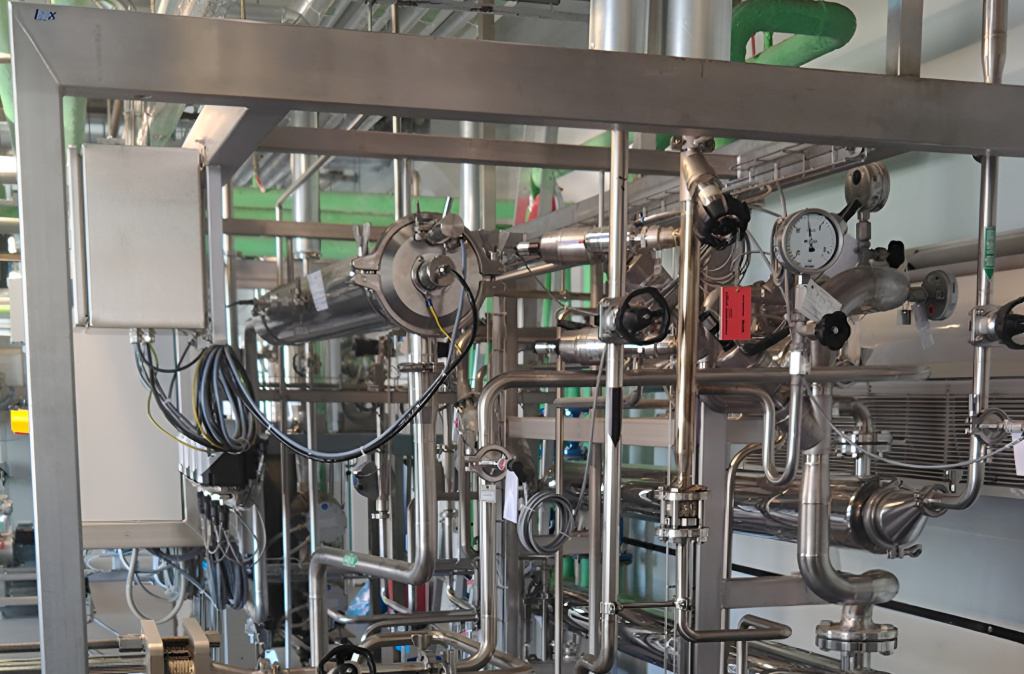
Areas of Application for Specialized Systems
Water treatment systems find application in a wide range of medical and pharmaceutical areas:
-
Production of medicinal products.
-
Laboratory diagnostics.
-
Dialysis centers.
-
Sterilization departments of medical institutions.
-
Production of medical devices.
-
Pharmaceutical research and development.
A Comprehensive Approach to Designing Water Treatment Systems
Creating an effective water treatment system requires a comprehensive approach that considers many factors, including a detailed analysis of the source water, a clear definition of the requirements for the purified water, and the choice of an optimal technological scheme. It is also vital to design with scaling prospects in mind and develop a validation and periodic control program.
Modern water treatment systems are complex engineering solutions that combine advanced purification technologies with intelligent monitoring and control systems. Investments in high-quality water treatment systems are a guarantee that the manufactured products meet the highest standards of quality and safety, which ultimately directly affects the effectiveness of treatment and patient health.