


Filtration equipment
Filtration equipment consists of technical devices designed to remove solid particles, bacteria, mechanical impurities, and microorganisms from liquid and gaseous media. This equipment ensures the purification of technological streams to a specified level of cleanliness in accordance with the strict requirements of manufacturing processes. Its primary applications include the pharmaceutical, food, cosmetic, and chemical industries, particularly within production zones for sterile dosage forms and products requiring enhanced biological safety.
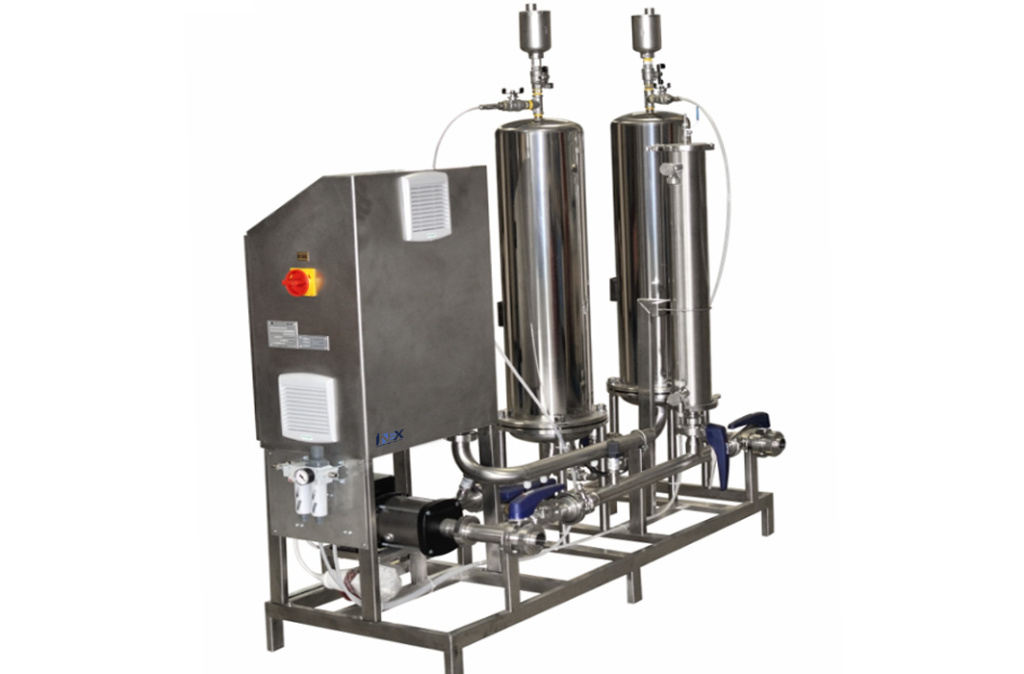
Types of Filtration Equipment
The nomenclature of filtration equipment covers various structural solutions to support technological purification processes:
-
Pre-filters: Ensure the removal of large mechanical impurities to protect downstream components.
-
Fine Filters: Designed for the final processing of technological media.
-
Cartridge Filters: Available in single- and multi-housing configurations with replaceable filter elements.
-
Membrane Sterilization Filters: Provide the removal of microorganisms to achieve absolute sterility in liquids.
-
Sterile Air and Gas Filters: Utilized in cleanroom ventilation systems and for process gas purification.
-
Automated Filtration Stations: Comprehensive, self-managed solutions for continuous technological processes.
Technical Characteristics and Construction
The design features of filtration equipment are determined by the requirements of sanitary-hygienic norms and specific technological workflows.
-
Materials: Housings are manufactured from AISI 316L or 304L stainless steel, providing superior corrosion resistance and compatibility with aggressive media.
-
Sanitization: The construction supports SIP (Sterilization in Place) and CIP (Cleaning in Place) procedures.
-
Surface Quality: Internal surfaces feature a smooth mirror polish with a roughness of Ra ≤ 0.4 μm, eliminating contaminant buildup and ensuring effective sanitation.
-
Connections: All elements use sanitary fittings such as tri-clamps and welded joints that comply with global sanitary design standards.
Areas of Application
The functional purpose of filtration equipment covers a wide range of operations across various industries:
-
Pharmaceuticals and Biotech: Purification of water and technological solutions, including the preparation of Water for Injection (WFI) and sterile solutions.
-
Cleanrooms: Air filtration in sterile production zones (Classes A, B, C, and D) according to GMP requirements.
-
Chemical Synthesis: Removal of catalysts, by-products, and mechanical impurities during various stages of synthesis.
-
Filling Lines: Integration as end-point filters in the final stages of product filling to ensure zero contamination.
Regulatory Compliance
The design, manufacturing, and operation of filtration equipment are regulated by a comprehensive set of national and international documents:
-
GOST 12.2.003–91: General safety requirements for industrial equipment.
-
GOST R ISO 13408-2–2009: Regulates aseptic processing and sterile filtration procedures in pharmaceutical manufacturing.
-
GOST R 58144–2018 & ISO 14159–2008: Define hygienic design requirements for machinery used in sensitive industries.
-
SanPiN 1.2.3685–21: Establishes permissible concentrations of microorganisms and components in the environment.
International Standards:
-
GMP (Good Manufacturing Practice): Standards for production organization and quality control.
-
EN 1822: European standard for high-efficiency air filters (HEPA).
-
USP <788>: Limits for particulate matter in injections.
-
21 CFR Part 210/211 (FDA, USA): Regulations for equipment and pharmaceutical production processes.
Automation and Safety Functions
Automation systems in filtration equipment ensure precise control of technological parameters and operational safety.
-
Differential Pressure Control: Monitoring the pressure drop between the inlet and outlet allows for the accurate determination of filter clogging and the need for element replacement.
-
Automatic Backwash Modules: Perform cyclic cleaning of filter elements without interrupting the production process.
-
Integrity Testing: Optional equipment includes leak detectors, sterility monitors, and automated systems for membrane integrity testing (e.g., Bubble Point or Diffusion tests).
-
Digital Integration: Compatibility with SCADA/MES systems allows for full process documentation and adherence to data integrity requirements.