


Wastewater Decontamination

Biologically hazardous wastewater is generated during research in various scientific research centers and laboratories, medical institutions, in the production of vaccines, etc.
In all such cases, there is a risk of infection of wastewater with pathogenic microorganisms.
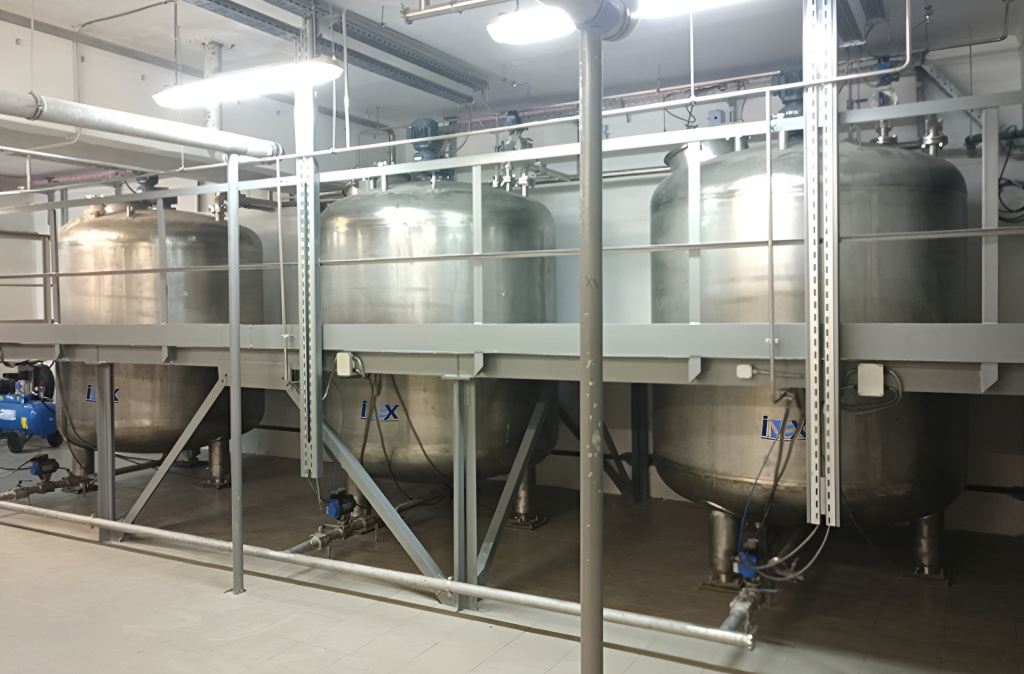
Thermal Decontamination Systems for Biohazardous Effluents
Biohazardous wastewater is generated during research and production activities in medical institutions, research centers, specialized laboratories, and manufacturing plants. The primary sources of such effluents include:
-
Veterinary institutions and vivariums;
-
Infectious disease hospitals and specialized departments;
-
Microbiological quality control laboratories;
-
Research centers focusing on virology, bacteriology, and epidemiology;
-
Biotechnology, genetic engineering, vaccine, and serum production facilities;
-
Laboratories with biosafety levels BSL-2, BSL-3, and BSL-4.
In all these cases, there is a high risk of wastewater contamination with pathogens of groups I–IV. In accordance with legal requirements, infected wastewater must undergo mandatory sterilization before being discharged into the public sewer system.
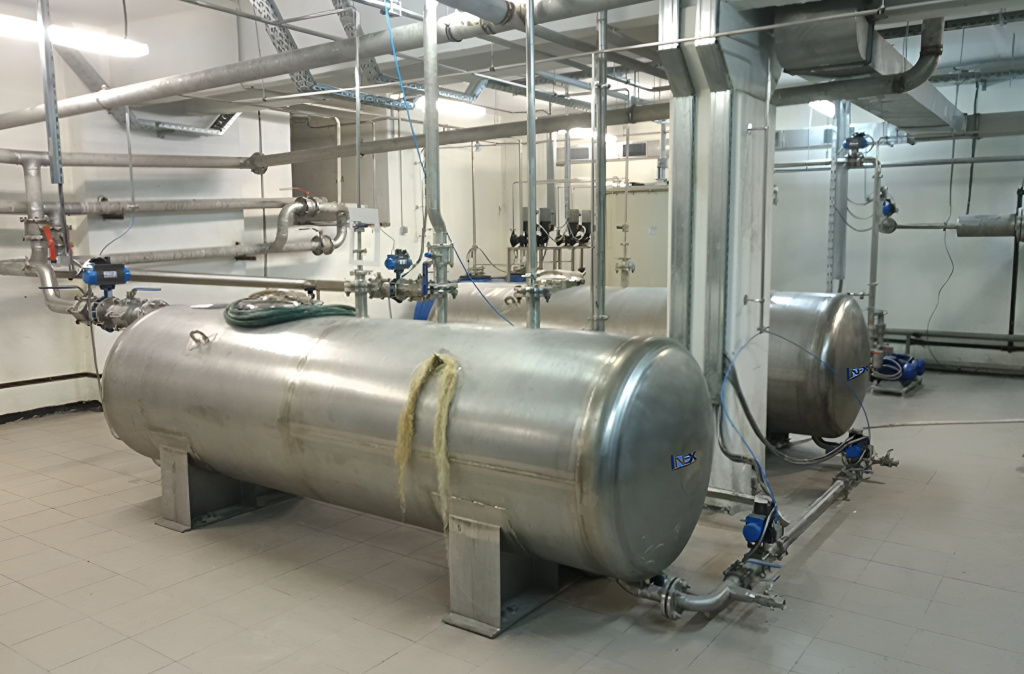
Technology and System Design
Thermal decontamination units provide a fully automated process for disinfecting biohazardous effluents. The technological cycle includes the following stages:
-
Accumulation and Dosing: Contaminated effluents enter a hermetically sealed storage tank designed for the daily volume of waste. Once filled, the system automatically feeds fixed doses into the sterilization vessel.
-
Pre-treatment: Organic residues within the waste undergo disintegration in a macerator/grinder to increase the efficiency of subsequent thermal treatment.
-
Thermal Sterilization: The core stage involves heating the waste to a temperature of at least 143°C at a pressure of at least 0.6 MPa for a hold time of at least 8 minutes. An alternative regime is available: 135°C at 3.5 atm for 90 minutes.
-
Cooling and Discharge: After sterilization, the decontaminated waste is cooled to a temperature not exceeding 40°C before being discharged into the sewage system.
The system design completely eliminates contact between contaminated waste and the facility environment or maintenance personnel. All component surfaces are made of materials that allow for rigorous sanitation and disinfection.
Control System Features:
-
Automatic execution of the full treatment cycle;
-
Real-time monitoring of all system elements;
-
Comprehensive documentation of sterilization processes;
-
Emergency shutdown protocols for abnormal situations;
-
Manual override capability;
-
Visualization of the process via diagrams and graphs.
To increase reliability, the decontamination unit includes two parallel full-cycle lines that can function independently or simultaneously. In standard mode, the lines operate alternately to ensure a continuous decontamination process.
Regulatory Requirements and Compliance
Thermal wastewater decontamination units comply with the requirements of Russian and international standards:
-
SanPiN 3.3686-21 (Annex 2, p. 26): Sanitary and epidemiological requirements for the prevention of infectious diseases.
-
GOST R 52249-2009 (GMP): Rules for the production and quality control of medicinal products.
-
GOST R ISO 14644-4-2002: Cleanrooms and associated controlled environments.
System integrity and thermal treatment efficiency are confirmed by technical specifications and the results of rigorous industrial performance tests.